.png)
According to information announced in October 2026, Russian President Vladimir Putin signed a decree allowing Vietnamese citizens to enter Russia without a visa for up to 30 days for specified purposes.
The policy takes effect on October 15, 2026, and remains valid through October 15, 2027. During this period, eligible Vietnamese citizens can enter, stay in, and leave Russia without applying for a visa for trips covered by the exemption.
Key information includes:
As this policy has a specific validity period, travelers planning to visit Russia after October 15, 2027, should check the latest regulations before making travel arrangements.
The visa exemption is not limited to tourists. It also covers several other permitted purposes of entry.
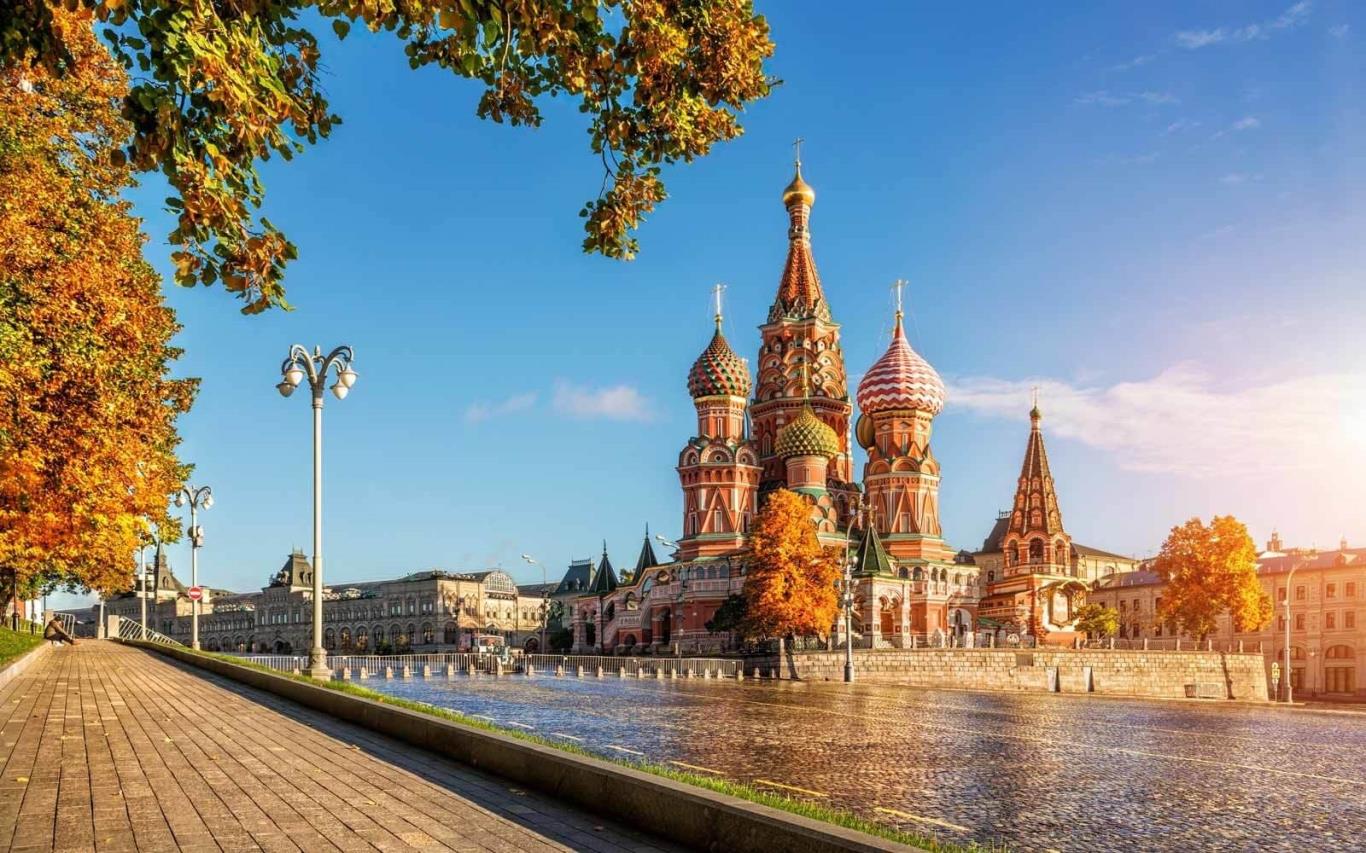
Tourists are among the groups that may benefit directly from this new policy. Vietnamese travelers can plan trips to famous Russian cities such as Moscow and Saint Petersburg without applying for a visa, provided their trips meet the exemption requirements.
From Red Square and the Kremlin to historic palaces and remarkable architectural landmarks, Russia offers a wide range of experiences for travelers interested in history, culture, and European landscapes.
.png)
Vietnamese citizens traveling to Russia to visit relatives or friends are also covered by the visa exemption, subject to the applicable conditions and maximum permitted stay.
In addition to tourism and family visits, the policy covers certain other purposes, including business trips and participation in scientific, cultural, political, social, economic, and sporting activities, as well as transit through Russian territory.
However, travelers must ensure that their actual activities comply with the permitted purposes. Describing a trip as a business visit does not automatically mean that every form of employment or work in Russia qualifies for visa-free entry.
Although Russia has introduced a visa exemption for Vietnamese citizens in certain circumstances, not every purpose of travel qualifies.
According to the announced policy, the following purposes are excluded from the visa exemption:
Vietnamese citizens should not assume that holding an ordinary Vietnamese passport automatically grants visa-free entry for these purposes.
If your travel plans involve multiple activities or an unclear purpose of entry, check the applicable requirements for your specific circumstances before booking tickets or preparing documents.
Visa-free entry does not automatically guarantee admission into Russia. Travelers should still prepare the relevant documents and travel information in case they are requested by immigration authorities.
Before departure, consider the following:
This is a recommended preparation checklist, not a universal list of mandatory documents for every traveler. Requirements may vary depending on individual circumstances, so travelers should verify the official rules before departure.
If you intend to stay for nearly 30 days, plan your itinerary carefully to ensure that you do not exceed the permitted period of stay.
Simplified visa procedures may make it easier for Vietnamese citizens to plan trips to Russia, particularly short-term visits for tourism, family visits, or qualifying business activities.
Travelers whose trips qualify for the exemption do not need to complete the usual Russian visa application process before departure. This removes one step from their travel preparations.
Vietnamese travelers can plan their itineraries, flights, and accommodation more conveniently. Destinations such as Moscow and Saint Petersburg may also become more accessible from an administrative perspective for trips covered by the exemption.
The policy may benefit not only tourism but also certain family visits, exchanges, and business connections between Vietnam and Russia.
Nevertheless, travelers should still budget for flights, accommodation, travel insurance, and other expenses. Visa-free entry simplifies immigration procedures; it does not eliminate the need for preparation or the costs associated with international travel.
To reduce the risk of travel disruptions, Vietnamese citizens should review the following points before departure.
Check your entry date: The announced policy applies from October 15, 2026, through October 15, 2027. If your trip falls outside this period, check whether a new or extended policy has been officially announced.
Confirm your travel purpose: Tourism, visiting relatives, and qualifying business trips are among the purposes covered by the policy. Employment, study, and long-term residence are excluded from this visa exemption.
Verify official entry requirements: Consult the Russian diplomatic mission or relevant authorities before traveling, especially if your itinerary is complex or involves multiple purposes.
Observe the permitted length of stay: The maximum stay specified under the policy is 30 days. This should not be interpreted as unlimited residence or an automatic right to extend your stay.
The announced policy takes effect on October 15, 2026, and remains valid through October 15, 2027.
Eligible travelers may stay for up to 30 days, subject to the permitted purposes of entry and applicable conditions.
No. Employment is excluded from this visa exemption. Travelers intending to work in Russia must check the relevant visa and work authorization requirements.
No. Travelers entering Russia for study purposes are not covered by the announced visa exemption and must follow the applicable immigration procedures.
No. Visa-free entry means that eligible travelers do not need to obtain a visa under the applicable exemption. They must still comply with Russian entry regulations and any checks conducted by border authorities.
This cannot be confirmed without an official announcement extending the policy or introducing a new arrangement. Travelers planning to visit Russia after this date should check the regulations in force at the time of travel.
Note: This article is based on policy information announced in October 2026. As immigration and entry regulations may change, travelers should verify the latest official information before departure.
Visa exemption policies between countries may change depending on the date, nationality, passport type, and purpose of travel. Staying informed about the latest requirements is therefore an important step in preparing for an international trip.
Vietnam Visa Services provides information and consultation on visa procedures, helping travelers understand the requirements relevant to their travel plans. If you are planning a trip to Russia or need information about visa procedures for other international destinations, contact us to discuss your specific circumstances.
Contact Vietnam Visa Services
Contact Vietnam Visa Services for assistance with visa information and the entry procedures you may need to prepare for your next trip.